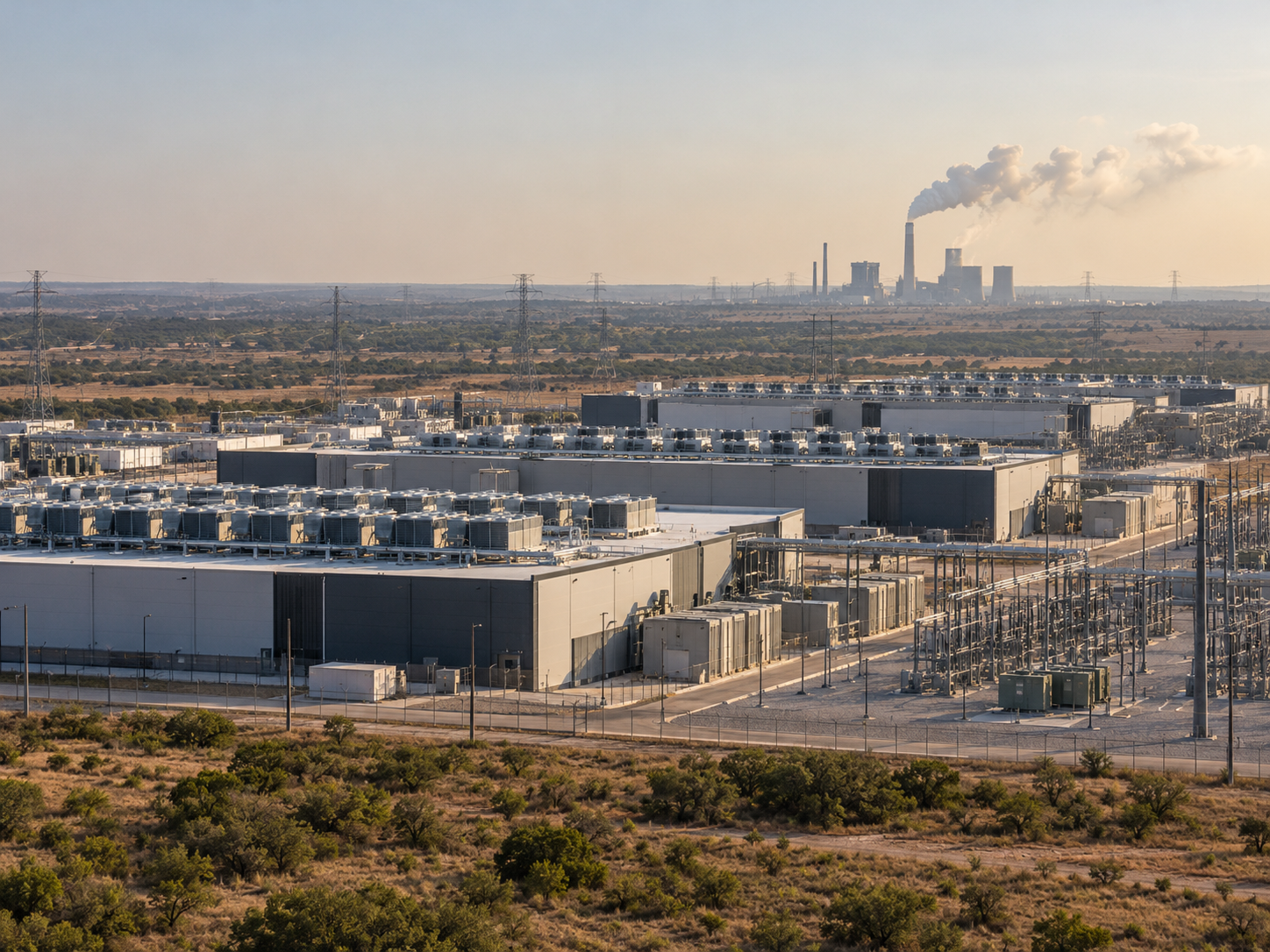
A new study from the Houston Advanced Research Center is warning that the rapid growth of data centers could erase much of Texas’ air-quality progress over the past two decades...


As hurricanes intensify and insurance rates soar, states across the U.S. are launching grant programs to help residents install stronger, storm-resistant roofs. Alabama pioneered the effort in 2016, and its success in reducing storm damage has inspired Louisiana, Mississippi, South Carolina, and even inland states like Oklahoma and Minnesota to adopt similar initiatives. These programs aim to make homes more resilient while stabilizing insurance markets as companies withdraw from high-risk areas. Western states facing worsening wildfires are also exploring similar grants. Louisiana’s program offers $10,000 per homeowner, and officials hope to make it permanent. Experts say these efforts help safeguard local economies by preventing widespread property losses. While insurers have yet to offer comparable incentives for fire-resistant home retrofits, the success of hurricane-resistant roofs is fueling interest in expanding resilience measures nationwide.
A new study from the Houston Advanced Research Center is warning that the rapid growth of data centers could erase much of Texas’ air-quality progress over the past two decades...
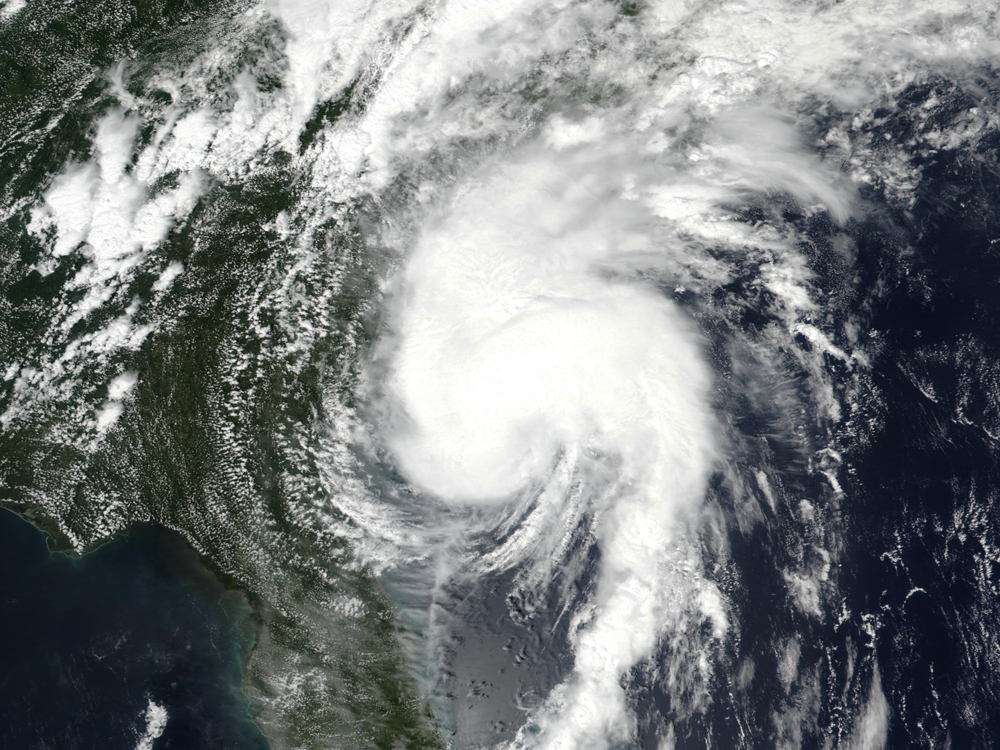
Hurricane Isaias has strengthened to a Category 3 hurricane as it approaches Florida and the northern Gulf Coast, bringing threats of devastating winds, life-threatening storm...

The Supreme Court is opening its 2026 term with a major climate case that could determine whether local governments can hold fossil fuel companies financially responsible...

At a UN General Assembly meeting, world leaders from vulnerable nations issued urgent calls for coordinated global action against climate change, highlighting severe threats...
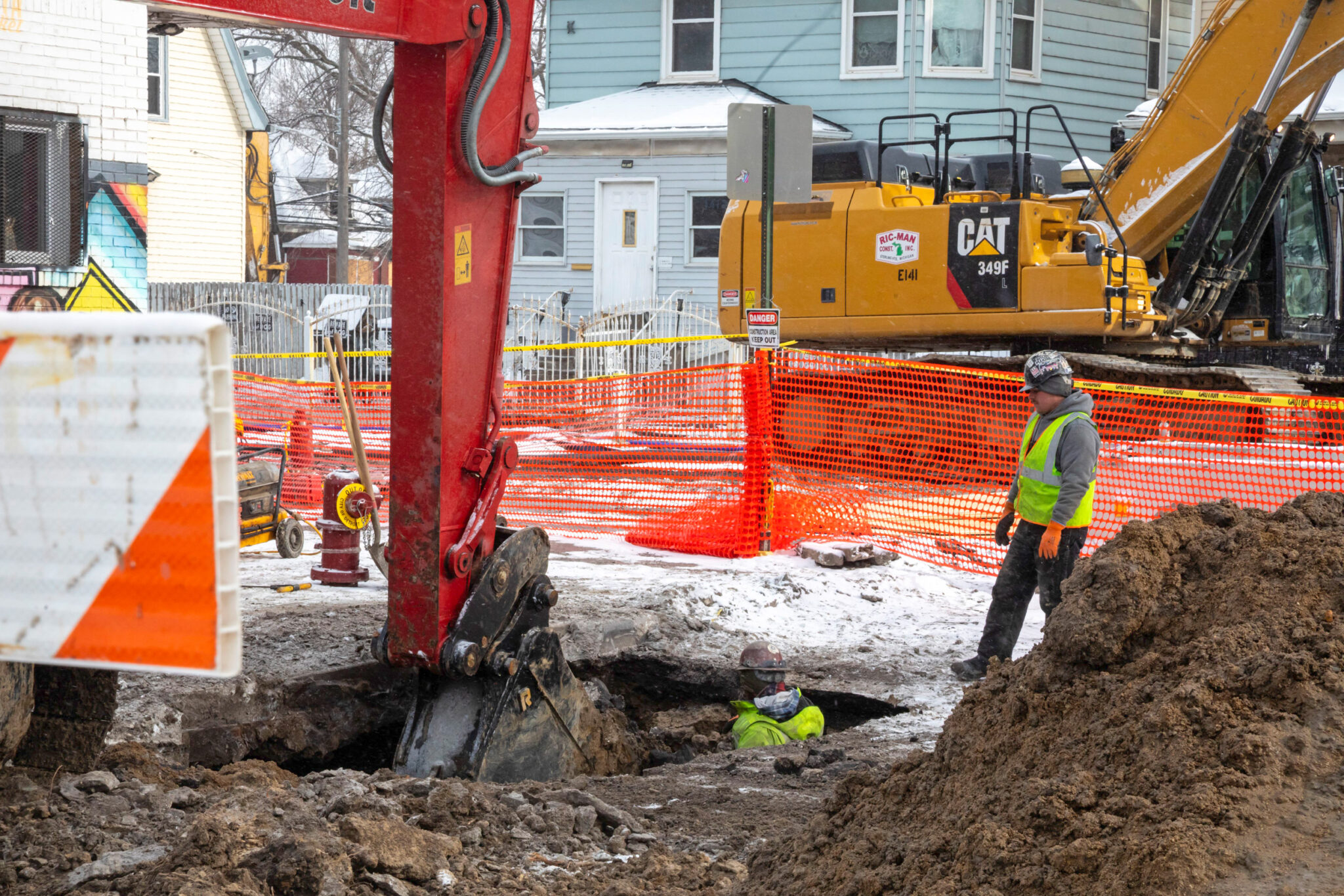
Underserved communities are again asking federal courts to restore $3 billion in environmental justice grants that the Trump administration canceled, arguing that delays...
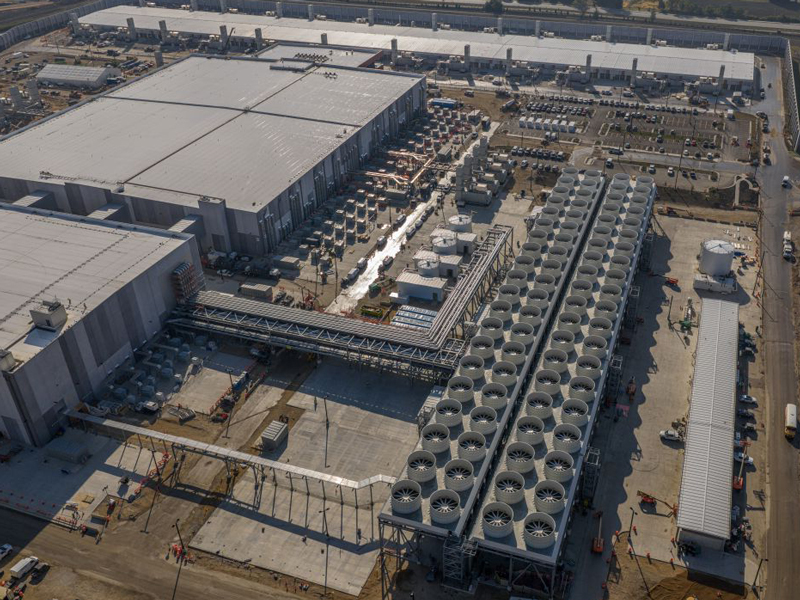
Local opposition to AI data centers is adopting the same organizing tactics, legal strategies, and community-level pushback over rising utility costs and water usage...
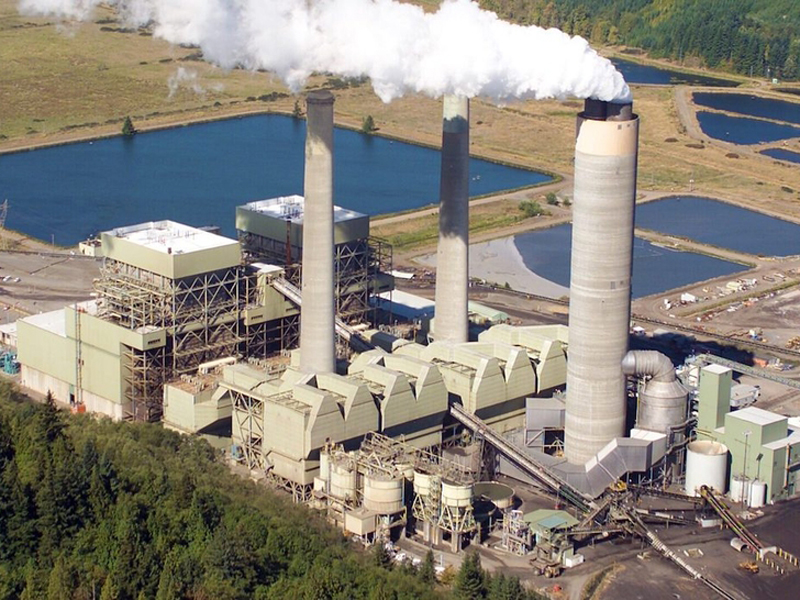
Two federal court rulings dealt major setbacks to the Trump administration by determining that the Environmental Protection Agency unlawfully terminated billions of dollars...

his press release highlights a global report examining how nations are translating "Just Transition" commitments into concrete laws, environmental rule of law policies...

A federal judge ordered the Environmental Protection Agency (EPA) to resume distributing $2.8 billion in environmental and climate justice grants designed to address health...

Driven by the sudden demand for artificial intelligence infrastructure, Texas is facing an influx of at least 248 planned data center projects, primarily targeting rural...

Federal grant cuts are significantly impacting environmental justice and public health efforts in Houston, with tens of millions of dollars eliminated from local programs...

Representative Christian Menefee is working to elevate environmental justice as a key priority within the Democratic Party, emphasizing the need to address pollution and climate..

America’s rapidly expanding data center industry is carrying a steep hidden environmental and public health cost, estimated at nearly $25 billion annually...

A recent Newsweek analysis highlights how accelerating sea level rise, driven in part by the potential collapse of Antarctica’s Thwaites “doomsday” glacier, could reshape U.S...
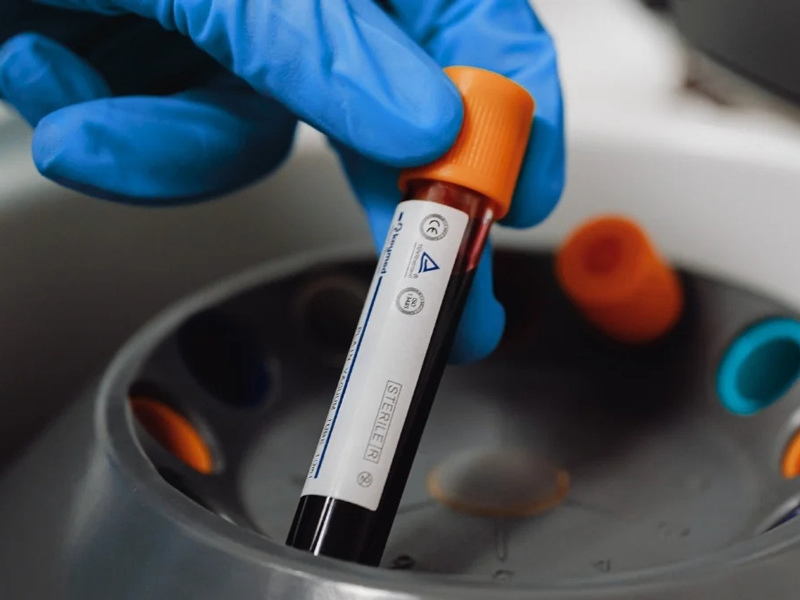
A new study found that "forever chemicals" (PFAS) are present in 98.8% of over 10,000 human blood samples tested. Most individuals carry a complex mixture of at least five...